Comic Coloring Workshop

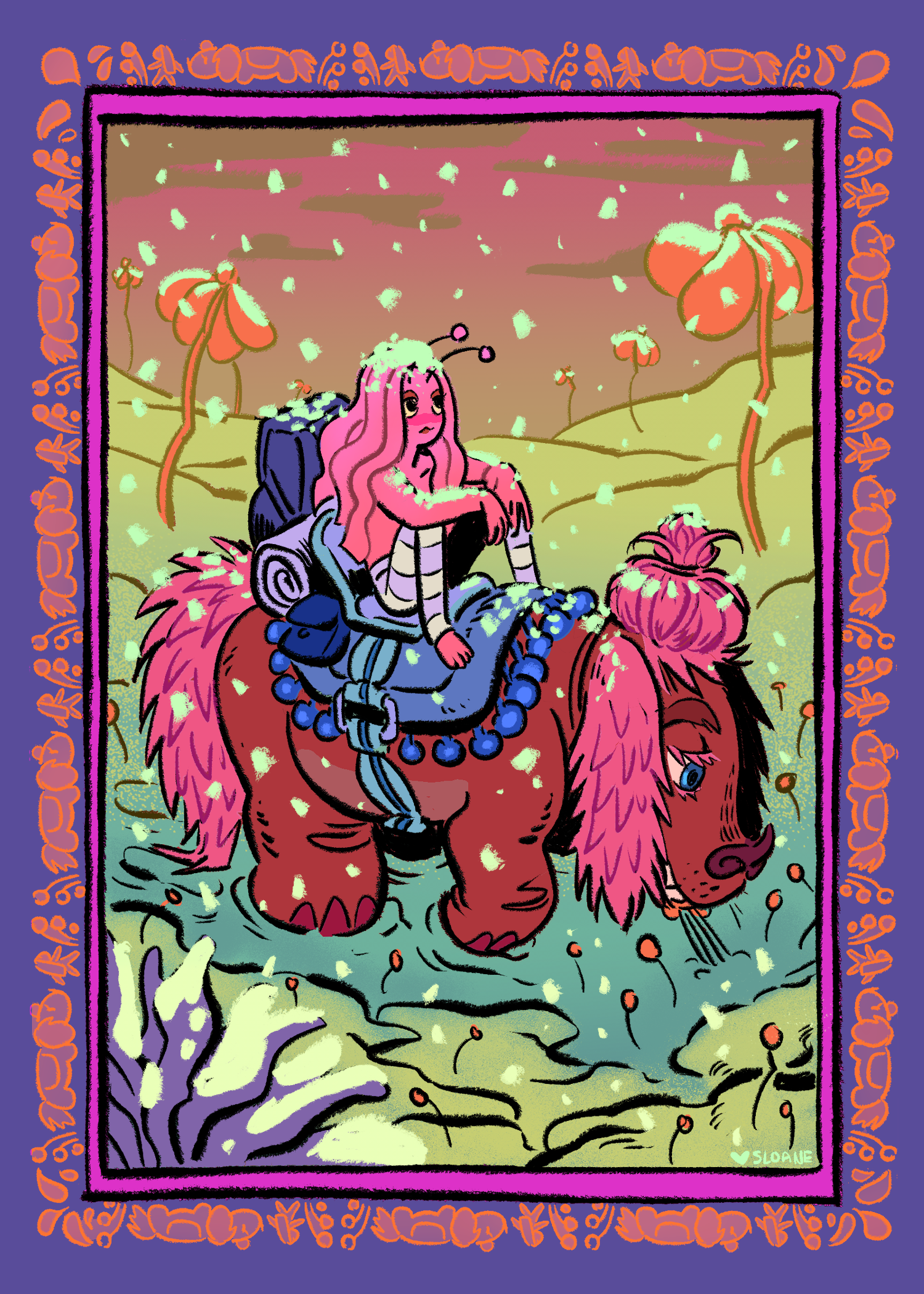
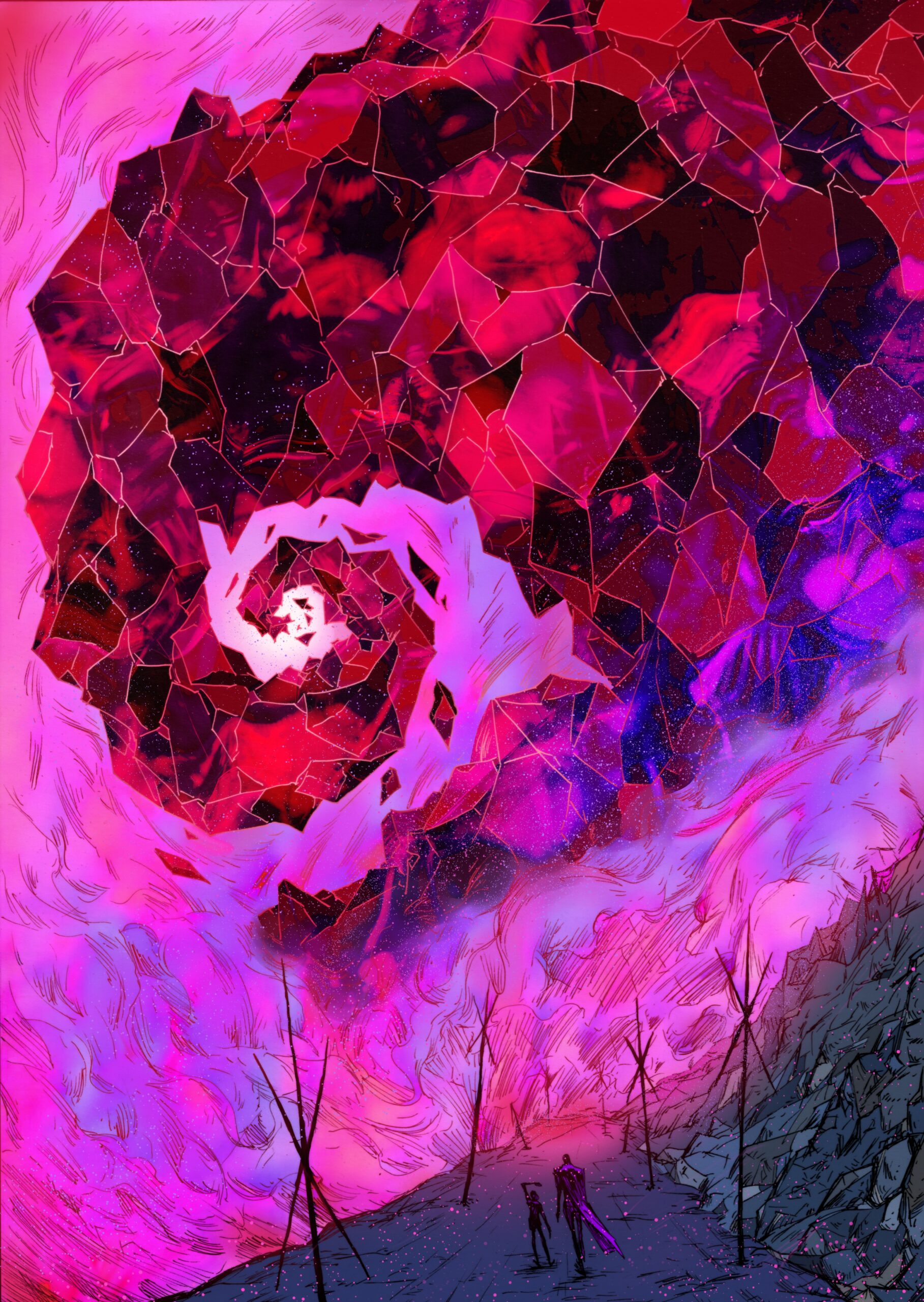
This weekend at Stumptown Comics Festival I held a comic coloring workshop! Joseph Bergin III, colorist of Prophet and all around rad artist, was cool enough to come talk with me about comics we like and our approach to coloring in a way that compliments the art and adds a layer of narrative to our comics.

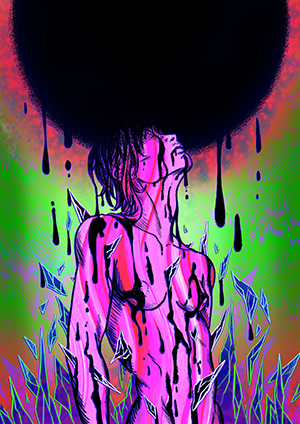
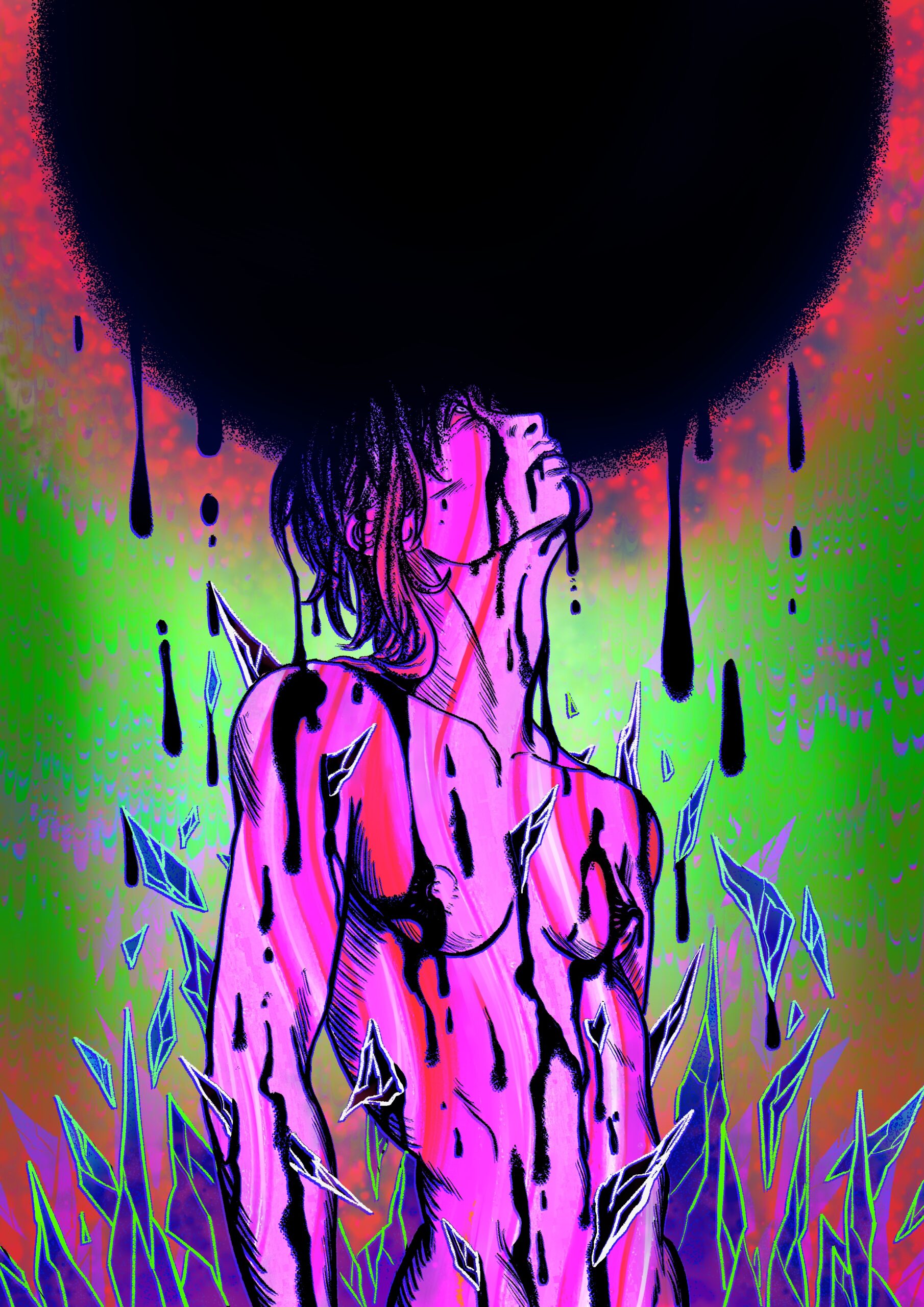
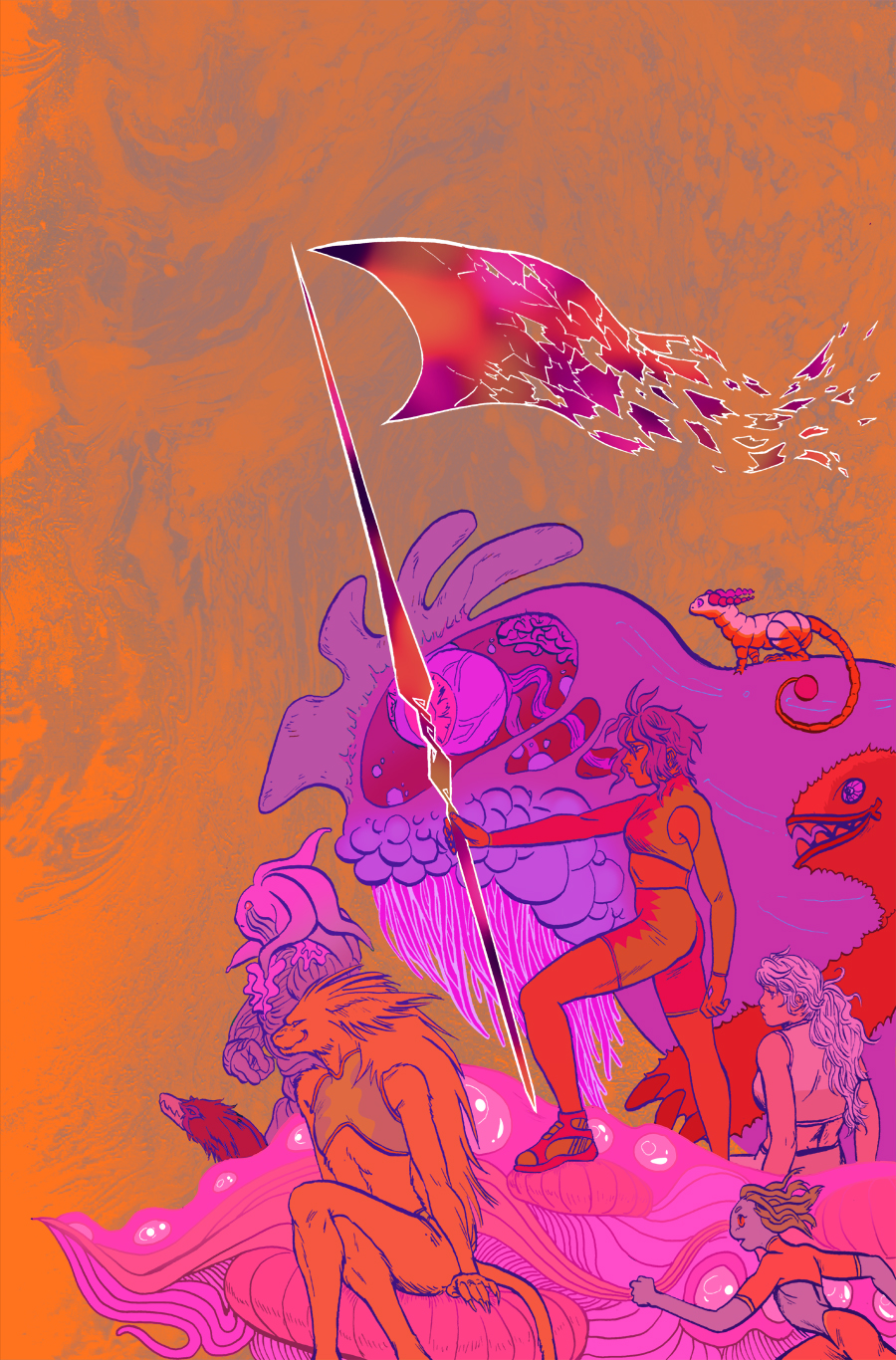
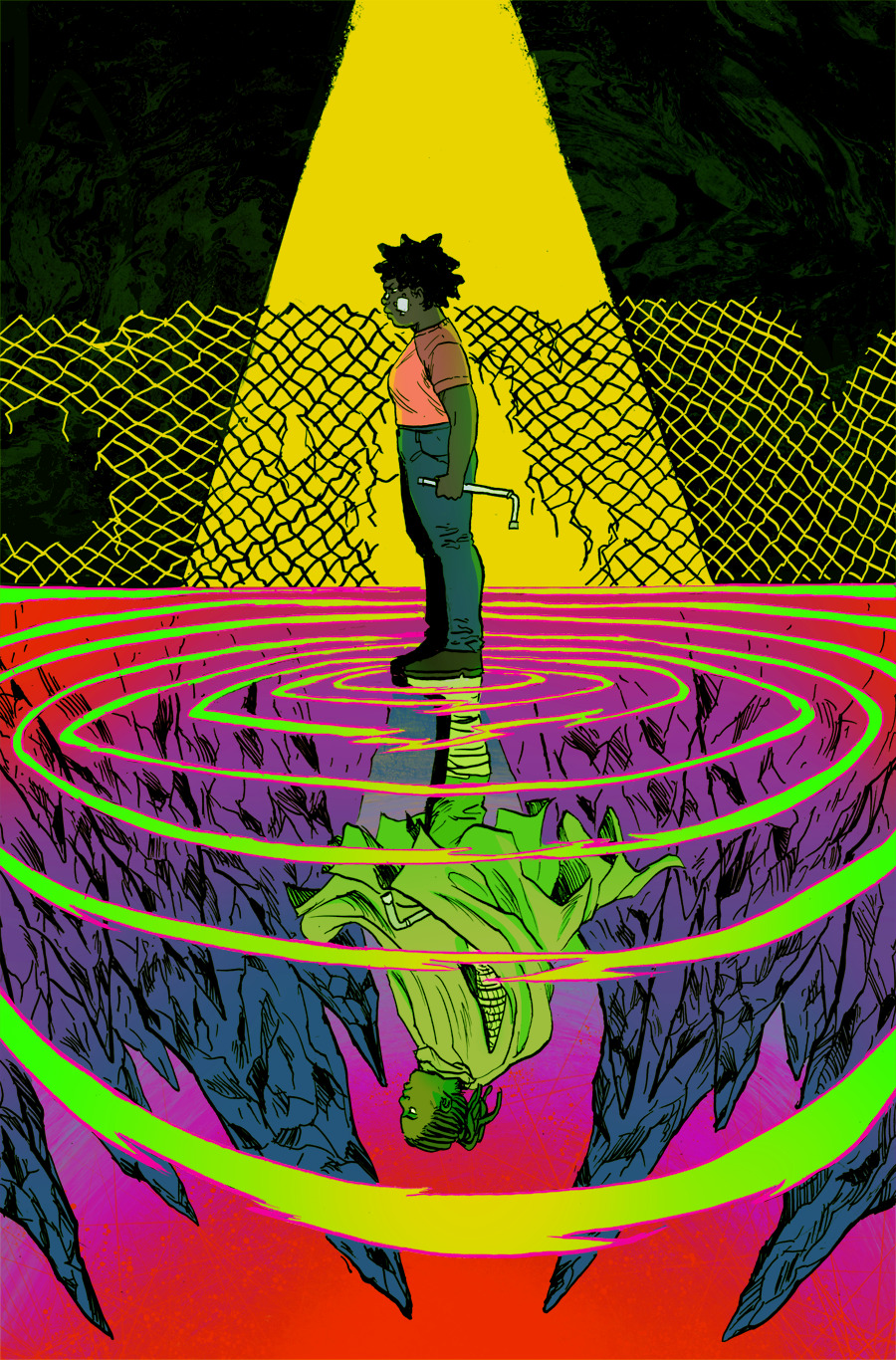
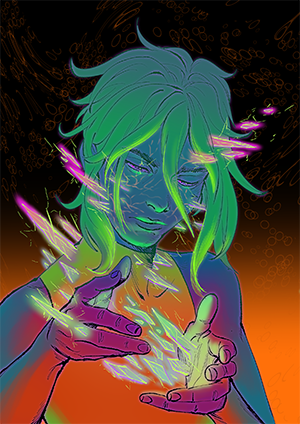
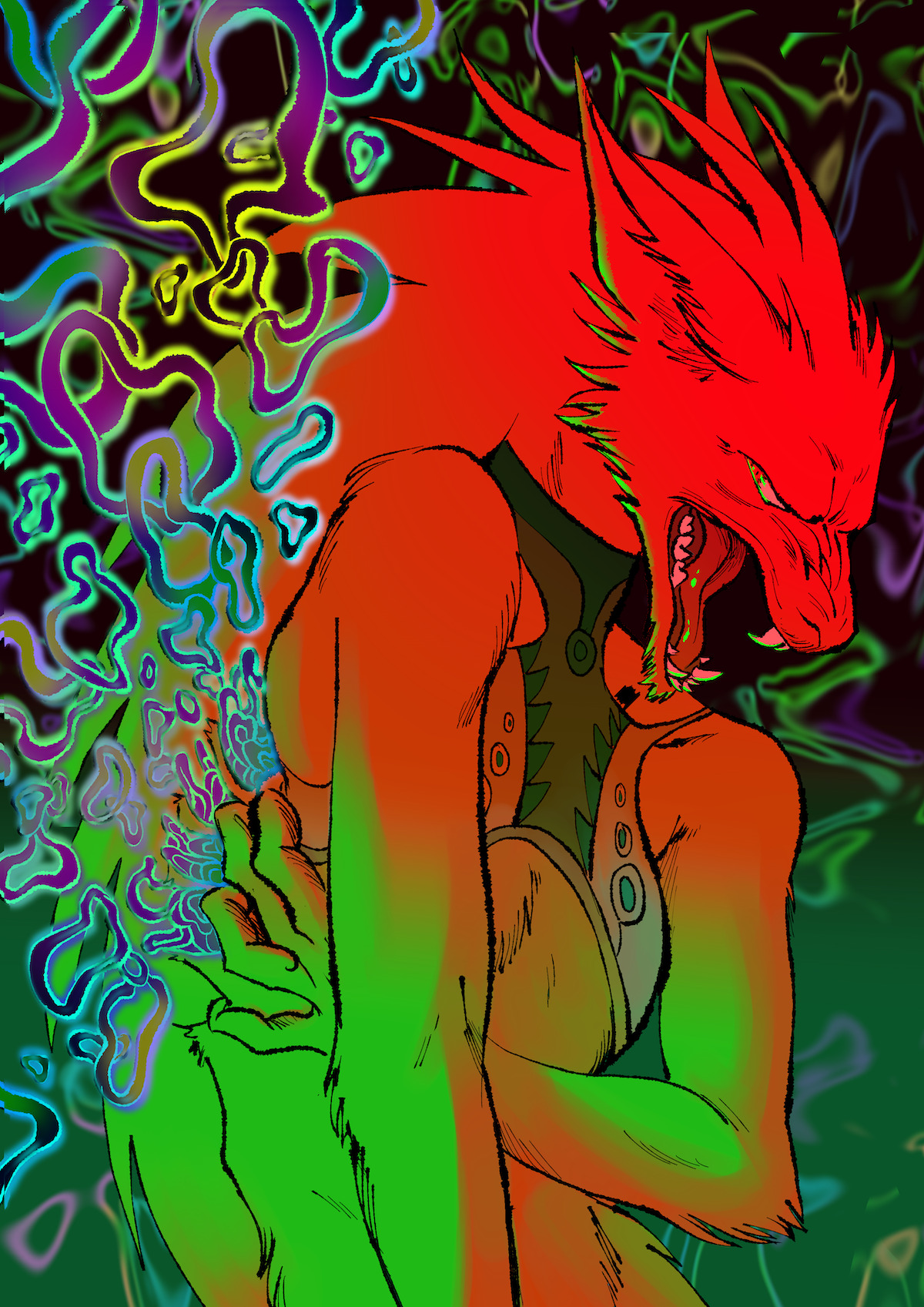
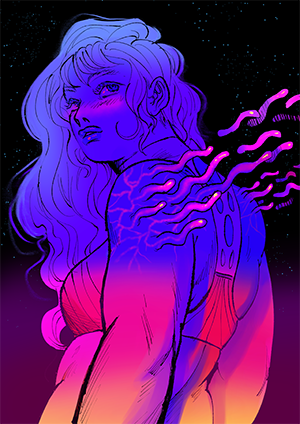
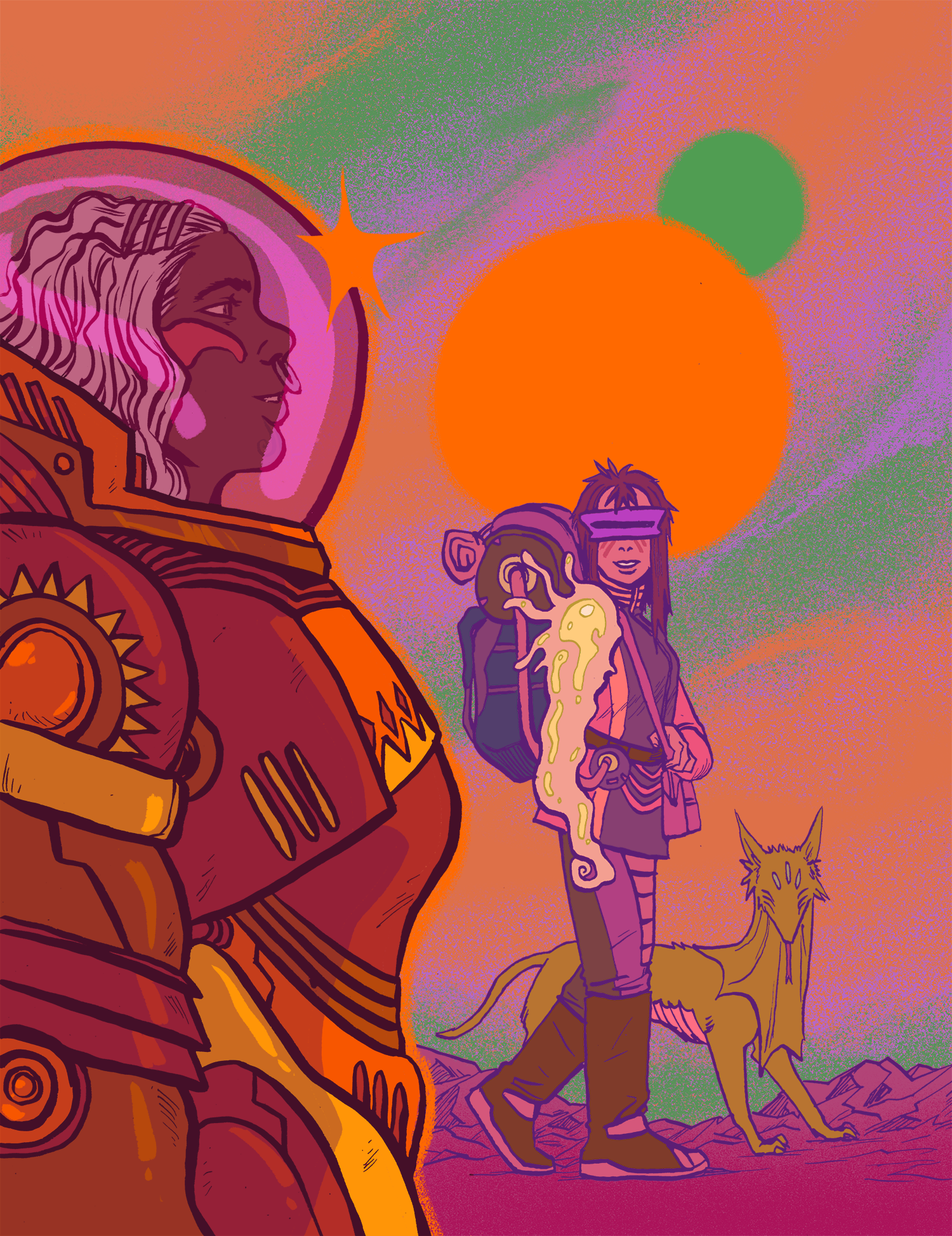
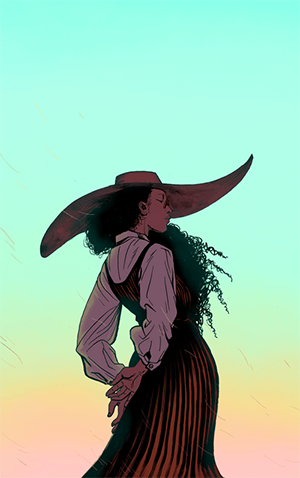
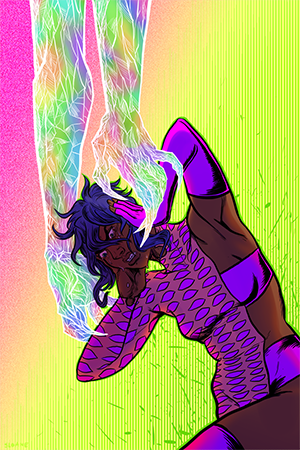
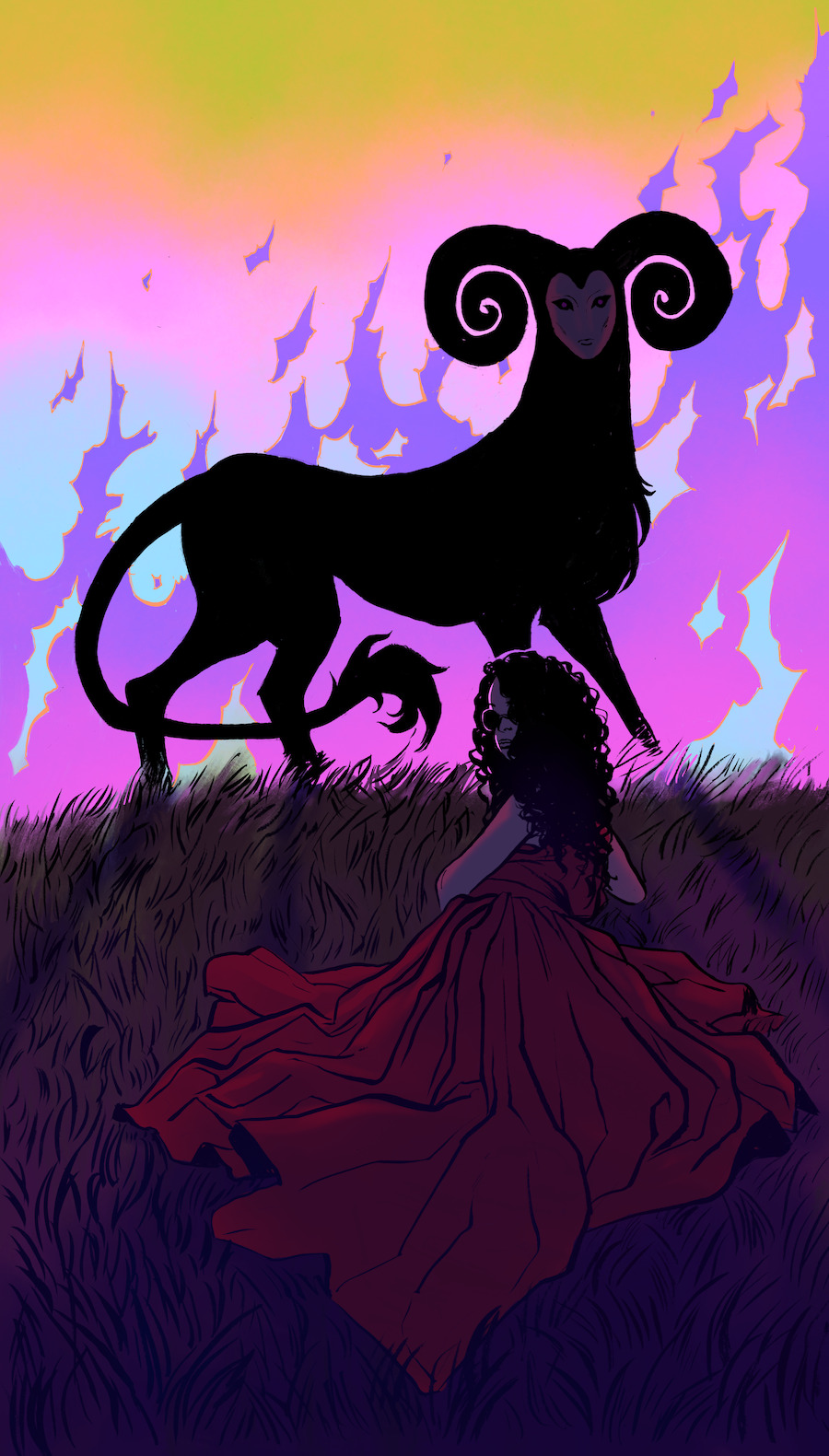
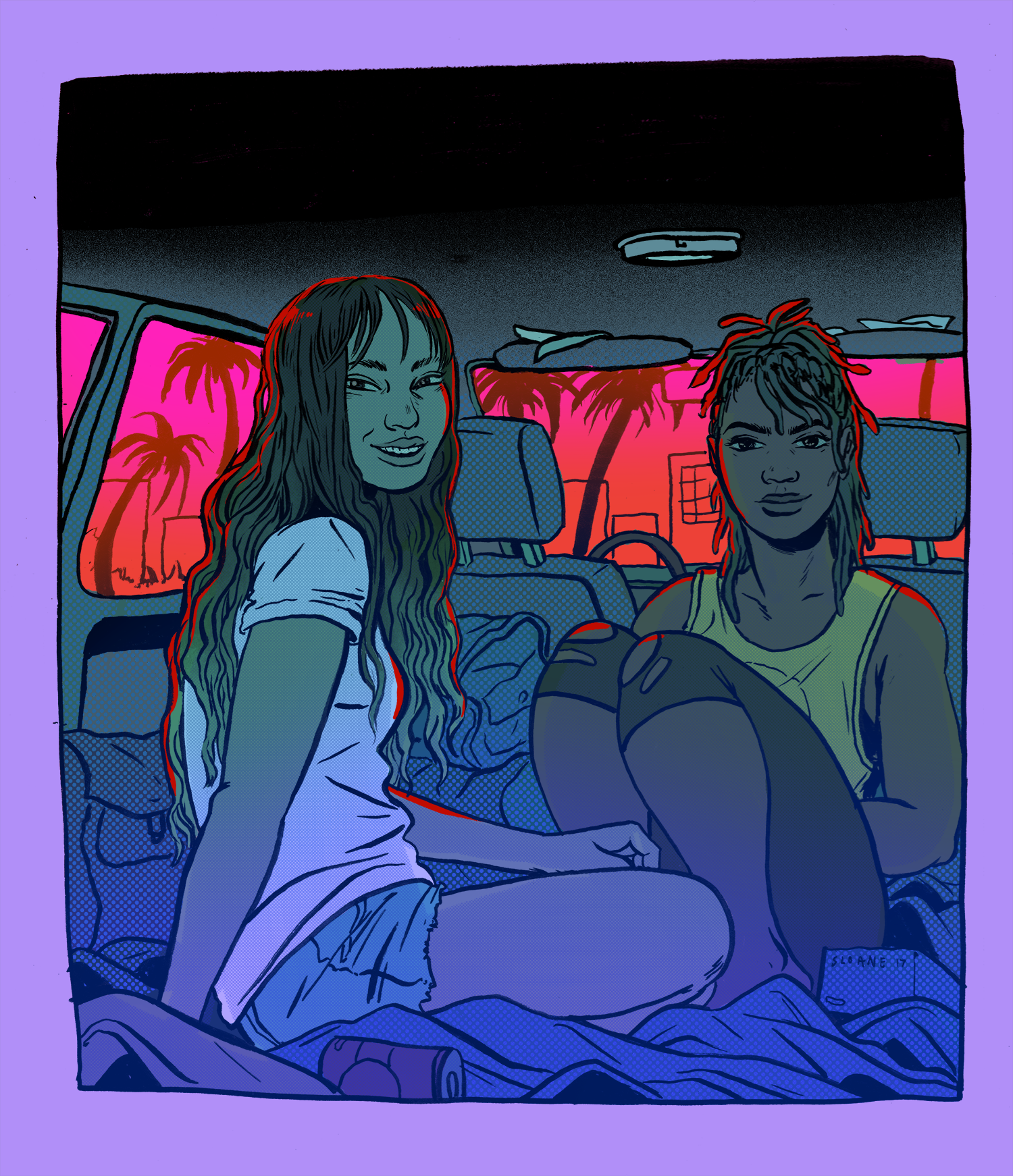
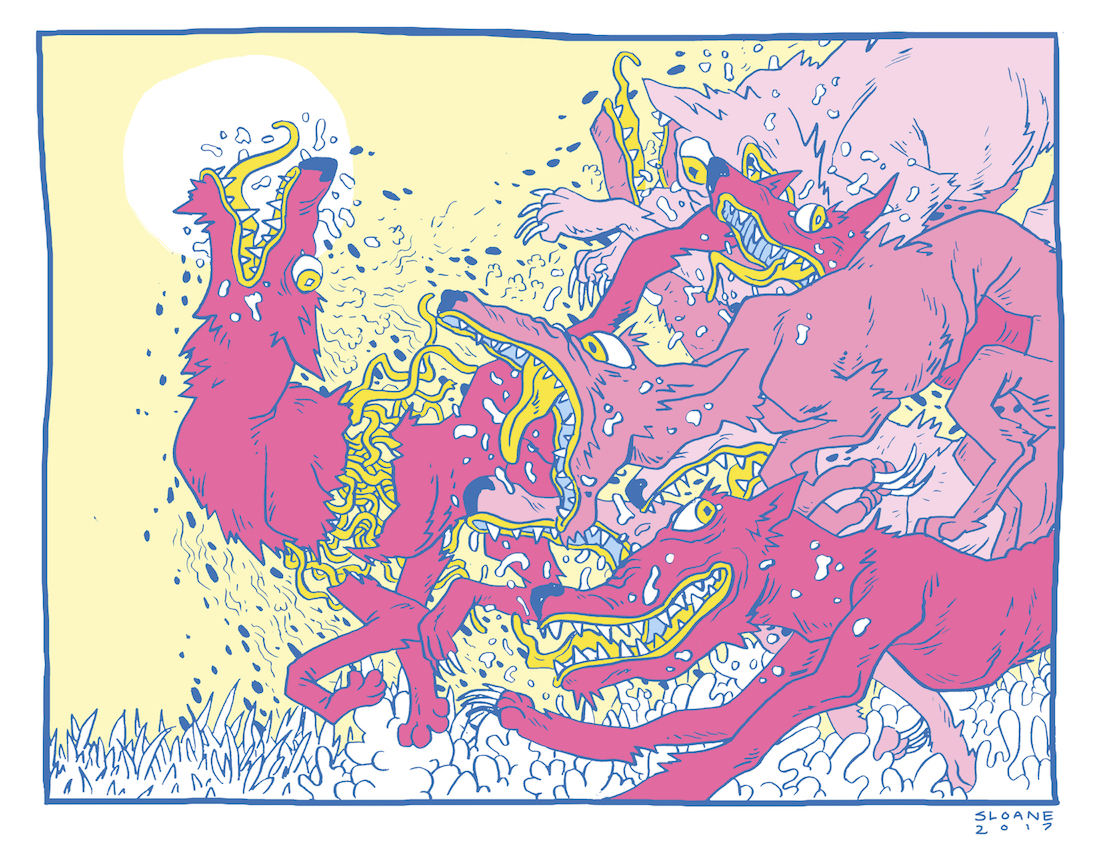
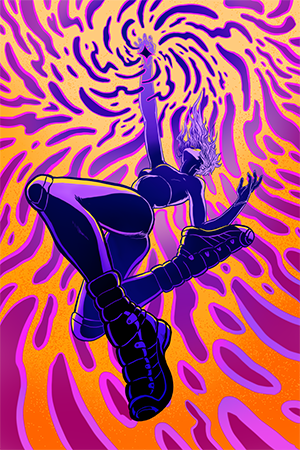
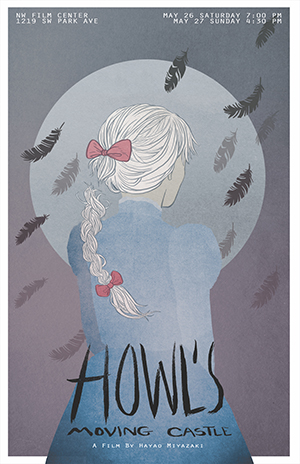
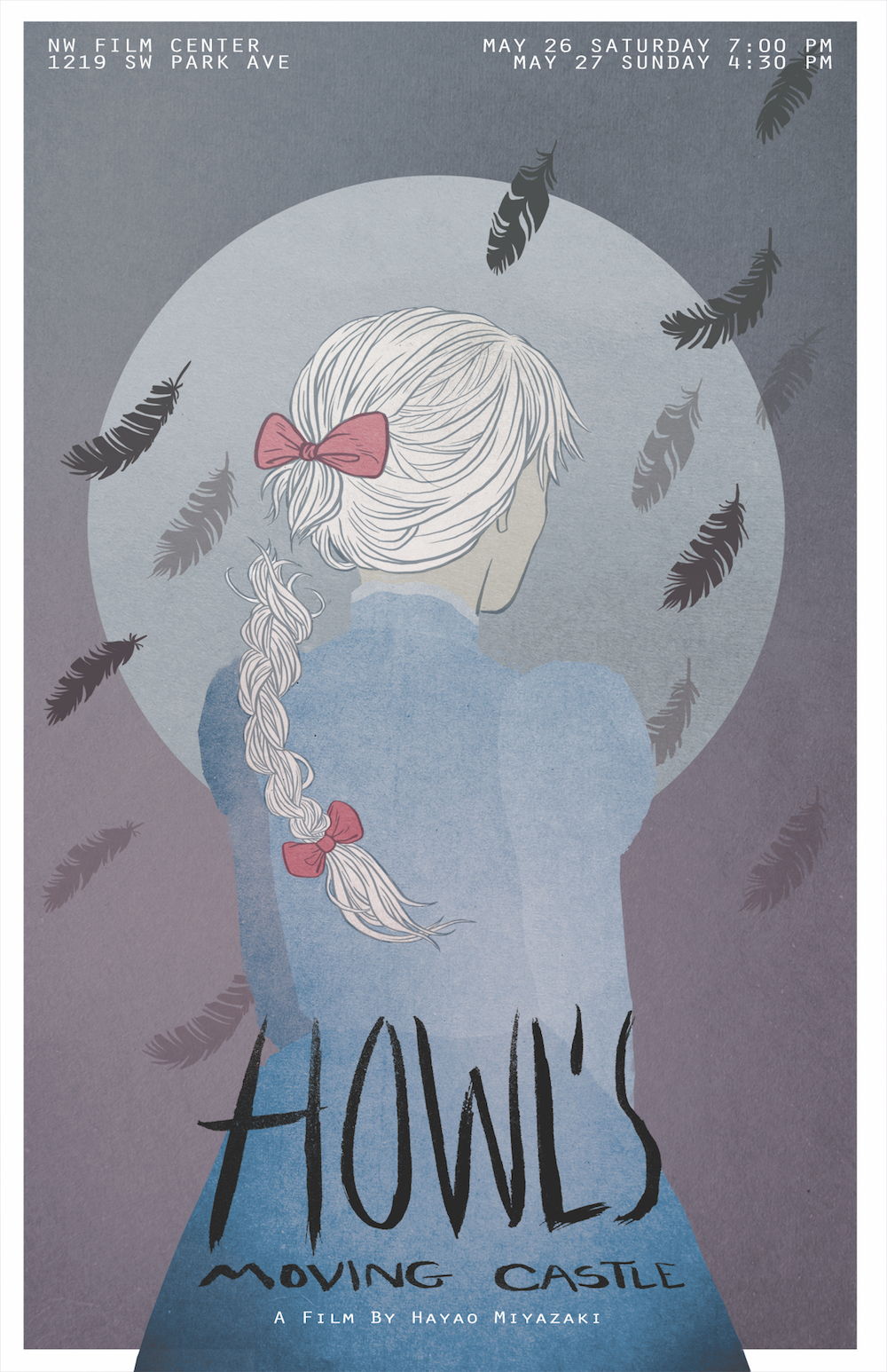
Below are the images we talked about during this workshop:


Posted in Comics, Film, Illustration | Leave a comment

Comics Coloring Workshop Notes

“Every decided color does a certain violence to the eye and forces it to opposition.” – Goethe

Understanding how we perceive color can be used in comics in how we can convey narrative information, emotions and ideas to the reader.

Color controls mood, timing, separation of the time and place of a scene, represent a feeling, it can foreshadow, it can relay a state of mind. If you work on a series with changing artists, a set coloring style and limited palette can bring about cohesion and harmony.

Personal and cultural connotation affects our perception of color. This is a sort of ‘artificial’ symbolism. Personal symbolism comes from ones own personal experiences, a color becoming relevant to you because the situation in which you see it what repeated more often that other. An example of color symbolism changing through culture is Islam’s use of green as a symbol for peace and paradise while Christians associate peace and heaven with white.

Natural association plays into our symbology as well, green as in trees, flowers, nature and white as bright light, blankness. These are few generalizations you can safely make about natural color and how it affects our mood.

Our visual reception can also trick our mind into experiencing things that aren’t really there. For example, a color can also be created in the viewers eye. Impressionists would often place strokes of red and blue closely besides each other which we would then perceive as purple at a certain distance.

There have also been experiments where a scent, like a strawberry odor, was rated as smelling stronger when presented with an image of a colored strawberry than when the image of the strawberry was colorless.

Blue is the worlds most popular colors. Green is also said to have tangible physiological affect on us regardless of culture and is known as one of the most relaxing colors and can sometimes lower blood pressure. Chromotherapy is an ancient method of treatment that focuses on how the body is made up of “color”, or light energy, and uses the way exposure to different colors influence the “colors of our body”, an example being that exposure to the color red encouraged blood flow, etc.

You can create dissonance by putting color in a space or on an object where it wouldn’t be expected. For example, we see red as a symbol for passion, danger, alertnesss. If you were to come upon a stop sign that was colored pale blue, that would cause a little bit of mental conflict for you.

Generally speaking cool colors are considered detached, tranquil, safe while warm colors are aggressive and stimulating. Warm colors pop and cool colors recede. Hue and intensity also send their own specific signals. A lot of coloring today is very literal and often falls back on natural association with our environment and doesn’t take advantage of the other ways we perceive color. I tend to go with a more Fauvistic approach to coloring which is very bright and non-literal. Fauve means “wild beasts”, a movement you probably known through Matisse which is an extreme version of Impressionism.

“When I put a green, it is not grass. When I put a blue, it is not the sky.” – Matisse

However being a colorist means you need to be flexible. You do what the art and story need you to do first and foremost.

In Change, I assigned different color schemes to characters and had their colors evolve as their lives developed and the story moved forward. I also had a system of coloring where the character’s color scheme would take over the environment if their reality/perception was the dominant one and in contrast if the situation was not in their control and reality was unstable than the environment would dominate.

Some things I like to think about when coloring:

Literal/non-literal palette
Lighting
Focal points of contrast
Value
Avoiding or inserting bright colors or vibrating colors
Function as a storytelling mechanic.
Balance
Hierarchy of shapes and vibrancy.
Overall page color pattern
Composition/path for eye to travel

Vibrating colors/equiluminant colors which when placed together appear unstable and suggest movement (Monet Festival of June). There is also the illusory conduction effect which you can use when coloring. This Monet reflects how our peripheral vision works, the spatial imprecision allows conjunctions to complete the objects which is why we see complete flags even though some are just loose strokes.

Color should also be neutral in the sense that it doesn’t detract from the movement and story. You need to work within the flow and timing of the story. You don’t want color warring against the expression of image and overpowering it.

“The perception of colour is a physiological and psychological phenomenon to which, as a rule, nobody pays particular attention. The picturesque character of a shot, due often enough simply to the quality of the film, is one more artificial element loaded onto the image, and something has to be done to counteract it if you mind about being faithful to life. You have to try to neutralize colour, to modify its impact on the audience. If colour becomes the dominant dramatic element of the shot, it means that the director and camera-man are using a painter’s methods to affect the audience. That is why nowadays one very often finds that the average expertly made film will have the same sort of appeal as the luxuriously illustrated glossy magazine; the colour photography will be warring against the expressiveness of the image.

Perhaps the effect of colour should be neutralized by alternating colour and monochromatic sequences, so that the impression made by the complete spectrum is spaced out, toned down. Why is it, when all that the camera is doing is recording real life on film, that a coloured shot should seem so unbelievably, monstrously false? The explanation must surely be that colour, reproduced mechanically, lacks the touch of the artist’s hand; in this area he loses his organizing function, and has no means of selecting what he wants. The film’s chromatic partitura, with its own developmental pattern, is absent, taken away from the director by the technological process. It also becomes impossible for him to select and reappraise the colour elements in the world around him. Strangely enough, even though the world is coloured, the black and white image comes closer to the psychological, naturalistic truth of art, based as it is on special properties of seeing as well as of hearing.”  (from Sculpting in Time Reflections on Cinema, by Andrei Tarkovsky, translated by Kitty Hunter-Blair, University of Texas Press, Austin, 1986, 2008, p. 138)

Posted in Comics, Illustration, Writing | 1 Comment

nerves

bekind banks

Posted in Illustration, Sketch | Leave a comment

In The Stream: Being A Person, Not A Personality

There was a lot of great thoughts and discussion around my previous post on internet culture, social media and creative individuals. In that smattering of thoughts, I briefly touched on methods of delivering creative content in a way that is the most effective as well as how internet consumerism affects how we think and present ourselves and our work online.

So while its fresh in my mind I thought I’d delve a little bit more into my ideas and observations on social media and maintaining an presence online specifically for creative individuals trying to make a living off of their work. It’s obvious social media is a key factor for trying to reach an audience yet people still think of social media as old-school advertising, flashing pictures and text on a billboard on the side of the road. Being present is only half of how social media functions. The other half is engaging– and not you engaging the viewer but the viewer engaging you. Social media isn’t so much being a salesperson anymore, it’s about just being a person. Continue reading

Posted in Business, Comics, Illustration, Writing | Tagged , , , , , , | 3 Comments

We Are Not A Community, We Are A Stream

(Note: This stream of thoughts was initially posted on twitter and seemed to engage many people, which you’ll see is a point of relevance after you read this.)

I recently heard comments in podcasts and have seen people talking about how Tumblr/Twitter/social media is such useless a time sink and they don’t understand or can’t see the potential for it in relation to creators (comic makers, illustrators, craft makers, etc). This got me thinking more about how social media users like myself, “Generation Y” kids, consume and process information.

I think my earliest recollection of computer use was playing a point-and-click adventure game on a Macintosh Classic when I was maybe 5 or 6 years old. When I was 11 years old (2001) I started using the computer more regularly and started going on forums and playing online games. At 13 I made a Deviantart account and started posting (oekaki) artwork and entered a world of digital friend-making, chatting and eventually networking. The world was connected but it was slow. Continue reading

Posted in Business, Uncategorized, Writing | Tagged , , , , , , | 13 Comments

odisha

odisha

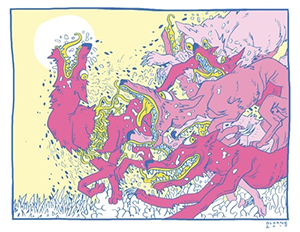
An illustration based on a story about the native Bonda people of Odisha and the coal and bauxite mines ruining their land as well as their culture from the influx of ethno-tourists. The ruination of native cultures because of ‘human safaris’ and illegal mining in Odisha are still a huge problem today.

I had this image in my head of a Bonda girl in the 60s sabotaging a coal mine by loosing all the working horses and so this happened.

Here’s the inks!

Posted in Illustration | Leave a comment

dive

colorsketch

One of the sketches that comes in the back of my mini-comic, The Softest Shadow.

Posted in Illustration, Sketch | Leave a comment

the softest shadow

headerss

Hi guys! Here’s a new minicomic I made that is now up for sale at Gumroad!

The Softest Shadow is a 15 page short story about friendship, perception and trust between a group of Carib kids. The comic comes in two editions, full color for $1.99 and black & white for $1!

Upon download you’ll receive a .zip file containing a .pdf and .cbz version of this comic.

For now the print edition of this mini is being sold exclusively at conventions I’m attending (Wizard World Portland, ECCC, SDCC).

Click here to go to the shop! I hope you enjoy it! Thanks!

Posted in Comics | Leave a comment

jungle girl

jg

Posted in Illustration, Sketch | Leave a comment

The Incal Panel Redux 11 x 17 Poster

incal

Available as an 11 x 17 matte print. Each print is signed and comes with a sketch.

Posted in Shop | Tagged , , , | Leave a comment